
What Are Burn Injuries?
Burn injuries happen when heat, chemicals, electricity, or radiation damage the skin or deeper tissues. These injuries can be mild or very serious. Because burns can happen anywhere, it is important to know how to respond. Often, quick action helps reduce pain and prevents further harm. According to the World Health Organization (WHO), burns are a common cause of injury worldwide. In many cities and towns, emergency rooms treat burn injuries every day.
Common Causes of Burn Injuries
Many things can cause burn injuries at home, work, or outdoors. For example, some common causes include:
Because these risks are everywhere, knowing how to prevent burns is key. However, accidents can still happen, so being prepared is important.
Recognizing Types and Severity of Burns
Burn injuries are grouped by how deep they go and how much skin they affect. For instance, there are three main types:
Because the type and size of a burn affect treatment, it is important to check the burn carefully. If you are unsure, seek medical help right away.
Immediate First Aid Steps for Burn Injuries
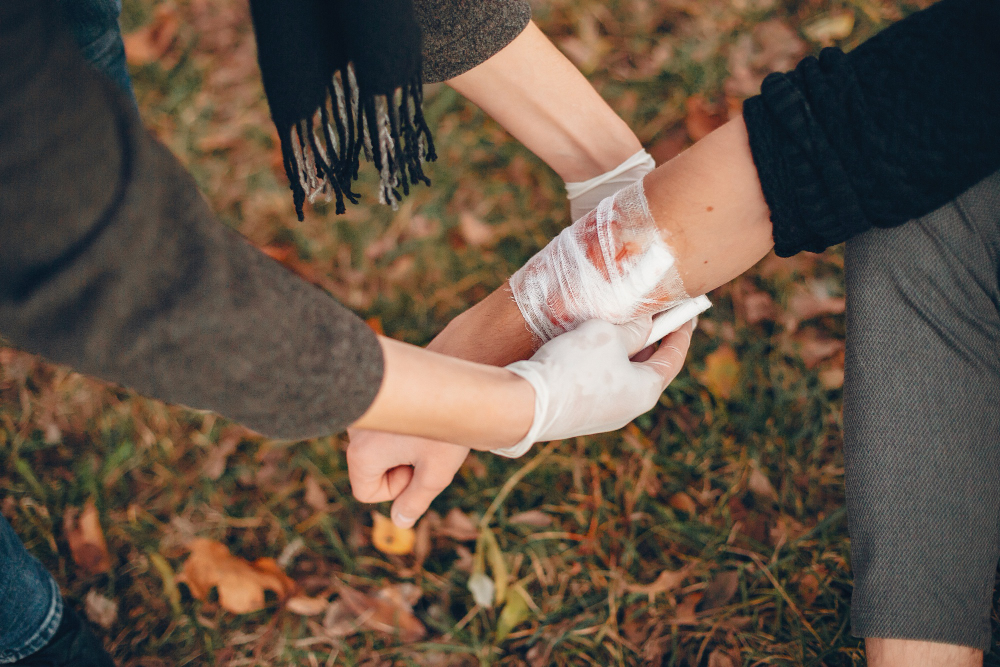
Quick first aid for burns can help reduce damage and ease pain. If someone gets burned, follow these steps:
Because burns can get infected, always keep the area clean. If the burn is large, deep, or on the face, hands, feet, or groin, seek emergency burn care right away.
When to Seek Emergency Medical Care
Sometimes, burns need urgent medical help. For example, call emergency services or go to the nearest hospital if:
Because some burns can get worse quickly, it is always better to be safe and seek help if you are unsure.
Emergency Management of Severe Burns
Severe burn injuries need special care in a hospital or burn center. While waiting for help, you can:
Because severe burns can cause dehydration and infection, doctors may give fluids, pain medicine, and antibiotics. Sometimes, surgery is needed to help the skin heal. The Centers for Disease Control and Prevention (CDC) recommends early treatment to lower the risk of problems.
Preventing Burn Injuries at Home and Work
Many burn injuries can be prevented with simple steps. For instance, you can:
Because prevention is always better than treatment, following these tips can help keep you and your family safe from burn injuries. In cities and rural areas alike, these steps make a big difference.
Conclusion
If you or someone you care about has a burn injury, do not wait to get help. Book a consultation with Dr. Tarique Jamil for expert care and support.