
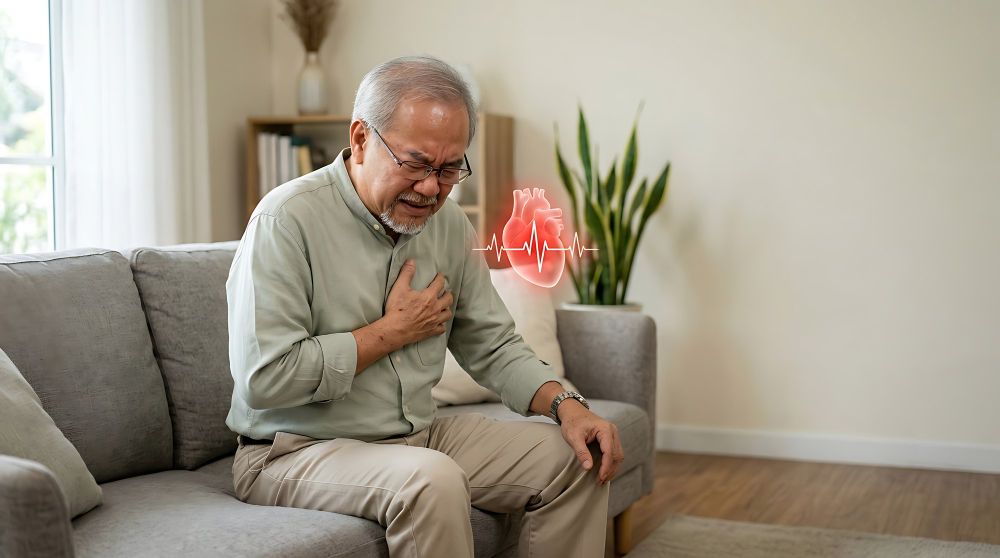
What is an Irregular Heartbeat (Arrhythmia)?
An irregular heartbeat, also called arrhythmia, happens when the heart does not beat in a steady rhythm. Sometimes, the heart beats too fast, too slow, or skips beats. While many arrhythmias are harmless, some can be serious. In fact, an irregular heartbeat emergency can happen if the heart cannot pump blood well. According to the CDC, arrhythmias affect millions of people each year. For this reason, it is important to know what to watch for and when to seek help.
Common Symptoms of Arrhythmia
Arrhythmia symptoms can vary from mild to severe. Some people may not notice any signs. However, others may feel symptoms that need attention. For example, you might notice:
Sometimes, these symptoms come and go. But if they become worse or happen suddenly, you should pay close attention. For more information, the American Heart Association offers helpful resources on arrhythmia symptoms.
Causes and Risk Factors
Many things can cause an irregular heartbeat. For instance, heart disease is a common cause. Other causes and risk factors include:
Because some risk factors are linked to lifestyle, making healthy choices can help lower your risk. The World Health Organization highlights the importance of managing blood pressure and avoiding tobacco.
How Arrhythmias Are Diagnosed in Emergency Settings
When you go to the emergency room with arrhythmia symptoms, doctors act quickly. First, they will ask about your symptoms and medical history. Next, they check your pulse and blood pressure. Often, they use an electrocardiogram (ECG) to measure your heart’s rhythm. Sometimes, blood tests are done to look for causes, such as low potassium. In some cases, doctors may use a chest X-ray or other tests. These steps help them find out if you have an irregular heartbeat emergency.
Warning Signs: When Is an Irregular Heartbeat an Emergency?
Not all arrhythmias are dangerous. However, some signs mean you should get help right away. According to the CDC and other experts, go to the ER if you have:
Because these can be emergency signs of irregular heartbeat, do not wait. Even if you are unsure, it is safer to get checked. Early treatment can save your life.
Emergency Treatment Options
In the ER, doctors have several ways to treat an irregular heartbeat emergency. For example, they may give medicine to slow or speed up your heart. Sometimes, they use a quick electric shock (called cardioversion) to reset the heart rhythm. In rare cases, a temporary pacemaker may be needed. Doctors also treat the cause, such as giving fluids for dehydration. The treatment depends on the type of arrhythmia and your overall health.
Prevention and Lifestyle Tips
While not all arrhythmias can be prevented, you can lower your risk. For instance, healthy habits make a big difference. Try these tips:
Because some arrhythmias are linked to other health problems, managing blood pressure, diabetes, and cholesterol is important. The CDC and WHO both recommend these steps for heart health.
Conclusion
If you notice sudden chest pain, fainting, or trouble breathing, seek help right away. For ongoing concerns about irregular heartbeat, contact Dr. Tarique Jamil for expert heart care and support.
If you notice sudden chest pain, fainting, or trouble breathing, seek help right away. For ongoing concerns about irregular heartbeat, contact Tarique Jamil for expert heart care and support.