What is Drug Poisoning?
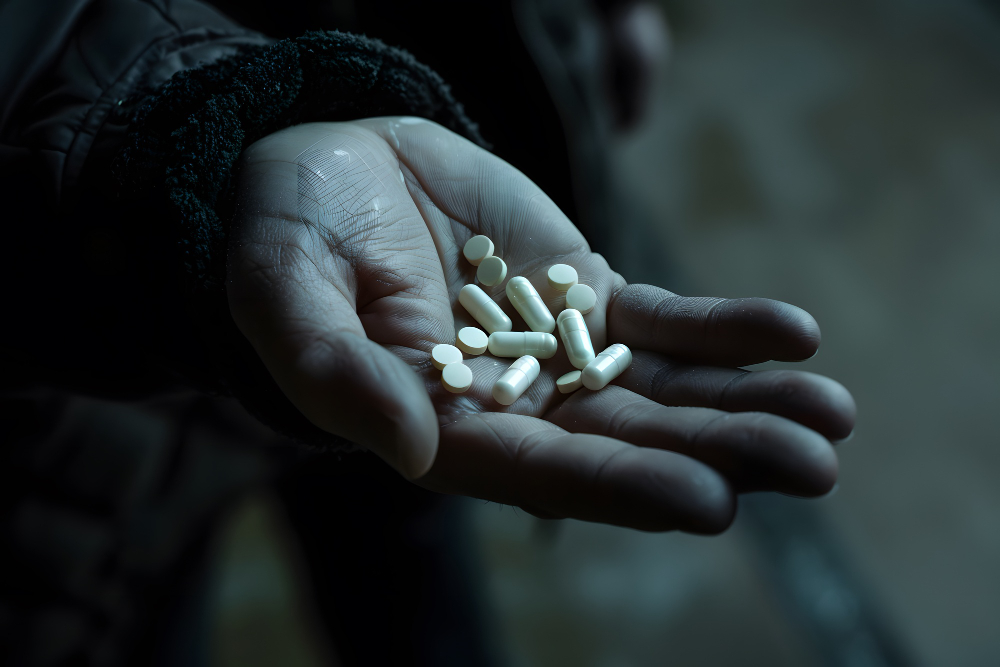
Drug poisoning happens when a person takes too much of a medicine or drug. Sometimes, this is called an accidental drug overdose. It can also happen if someone takes the wrong drug or mixes drugs in a harmful way. Drug poisoning is a serious health problem. It can cause mild to life-threatening symptoms. Because drug poisoning can happen to anyone, it is important to know the signs of drug toxicity and what to do in an emergency. Early action can save lives.
Common Causes of Drug Poisoning
There are many reasons why drug poisoning may occur. Often, it happens by accident. However, sometimes it can be due to misuse or mistakes. For example, children may swallow pills left within reach. Older adults may forget if they have already taken their medicine. In addition, mixing certain drugs or taking too much can be dangerous.
According to the CDC, drug poisoning is a leading cause of injury-related deaths in many countries.
Recognizing Symptoms of Drug Poisoning
It is important to spot the signs of drug poisoning early. Quick action can help prevent serious harm. Symptoms may appear within minutes or hours. But, they can vary based on the drug involved.
If you notice any of these symptoms, especially after taking a drug, act quickly. Call for help right away.
How Drug Poisoning is Diagnosed
Doctors use several steps to diagnose drug poisoning. First, they ask about the drugs taken and the amount. Next, they check vital signs like heart rate and breathing. Blood and urine tests can help find the drug involved. Sometimes, doctors use imaging tests to look for damage inside the body. Because early diagnosis is key, always share as much information as possible with the medical team.
Emergency Treatment and First Aid Steps
Immediate care can make a big difference in drug poisoning cases. If you suspect someone has drug poisoning, follow these steps:
In the hospital, doctors may use special medicines called antidotes. They may also give fluids or use machines to help remove the drug from the body. Quick treatment can lower the risk of serious harm.
Prevention Tips for Drug Poisoning
Preventing drug poisoning is possible with simple steps. Not only can these tips protect you, but they also keep your family safe.
For local support, you can search for drug poisoning treatment in your city or region.
When to Seek Emergency Help
Sometimes, drug poisoning can become life-threatening very quickly. Therefore, you should seek emergency help if you notice:
Even if you are unsure, it is better to be safe and call for help. Early treatment can save lives.
Conclusion
In summary, drug poisoning is a serious but preventable health risk. Knowing the symptoms, causes, and first aid steps can help you act quickly. If you suspect drug poisoning, seek emergency medical help immediately. Consult a healthcare professional at Medix Hospital for personalized advice.